
Our Story
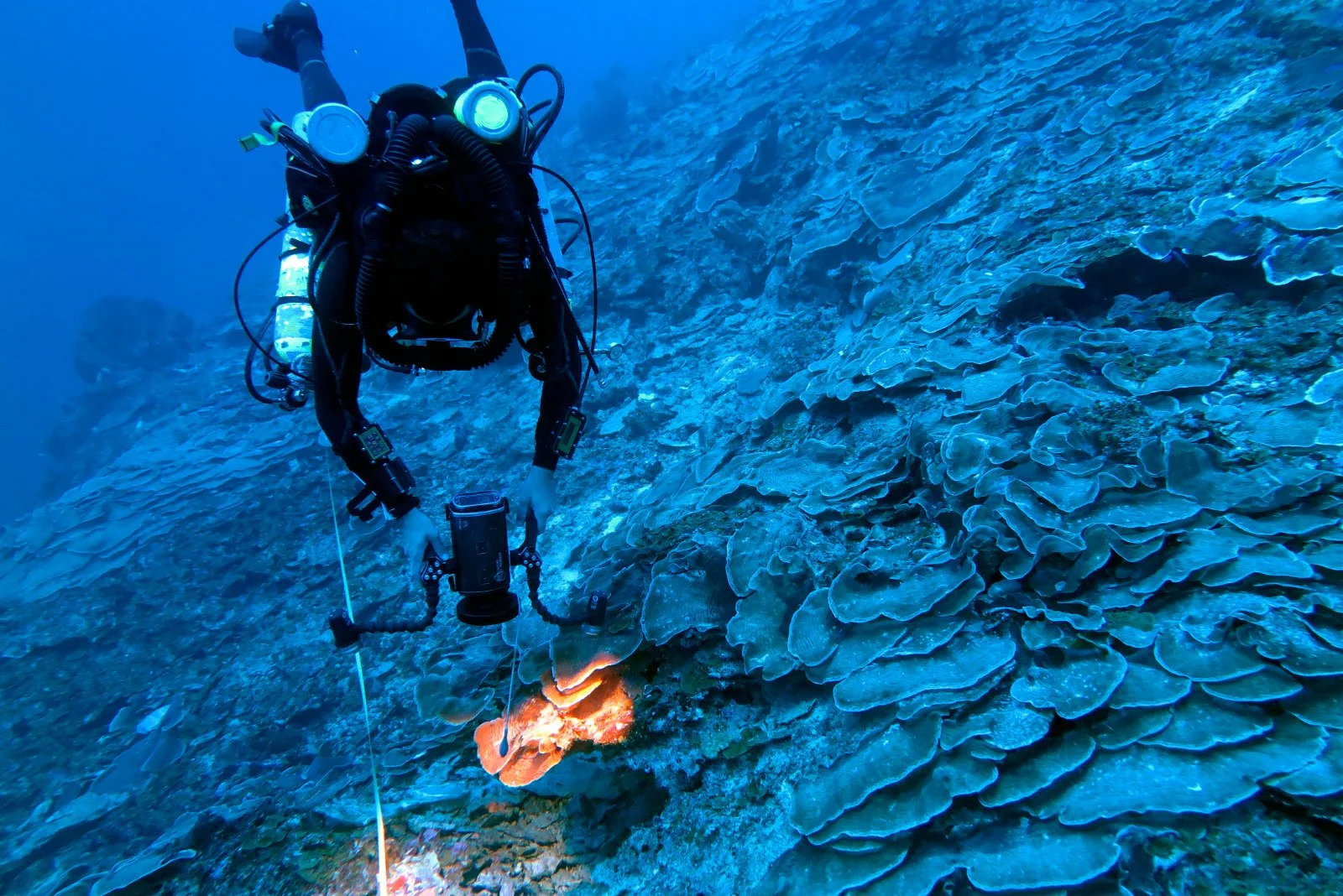
Reefs Unknown was born in the US Virgin Islands, where most people are familiar with the degraded nearshore reefs. Few are privileged to witness the expansive coral banks just a few miles offshore. These deeper mesophotic reefs are frequently ignored or completely unknown to science. Some are known only to the fishers who know where the catch is good.
These deeper reefs cover nearly twice the area of shallow reefs in the USVI, so how could they be so poorly understood and under-managed? The answer is lack of access. Divers require extensive training to safely reach the mesophotic zone, and these reefs are often far from shore in exposed conditions. We created Reefs Unknown to help bridge this gap. With our extensive experience working in this type of environment, we can ease the difficulty and work with our partners to complete research and provide management recommendations.
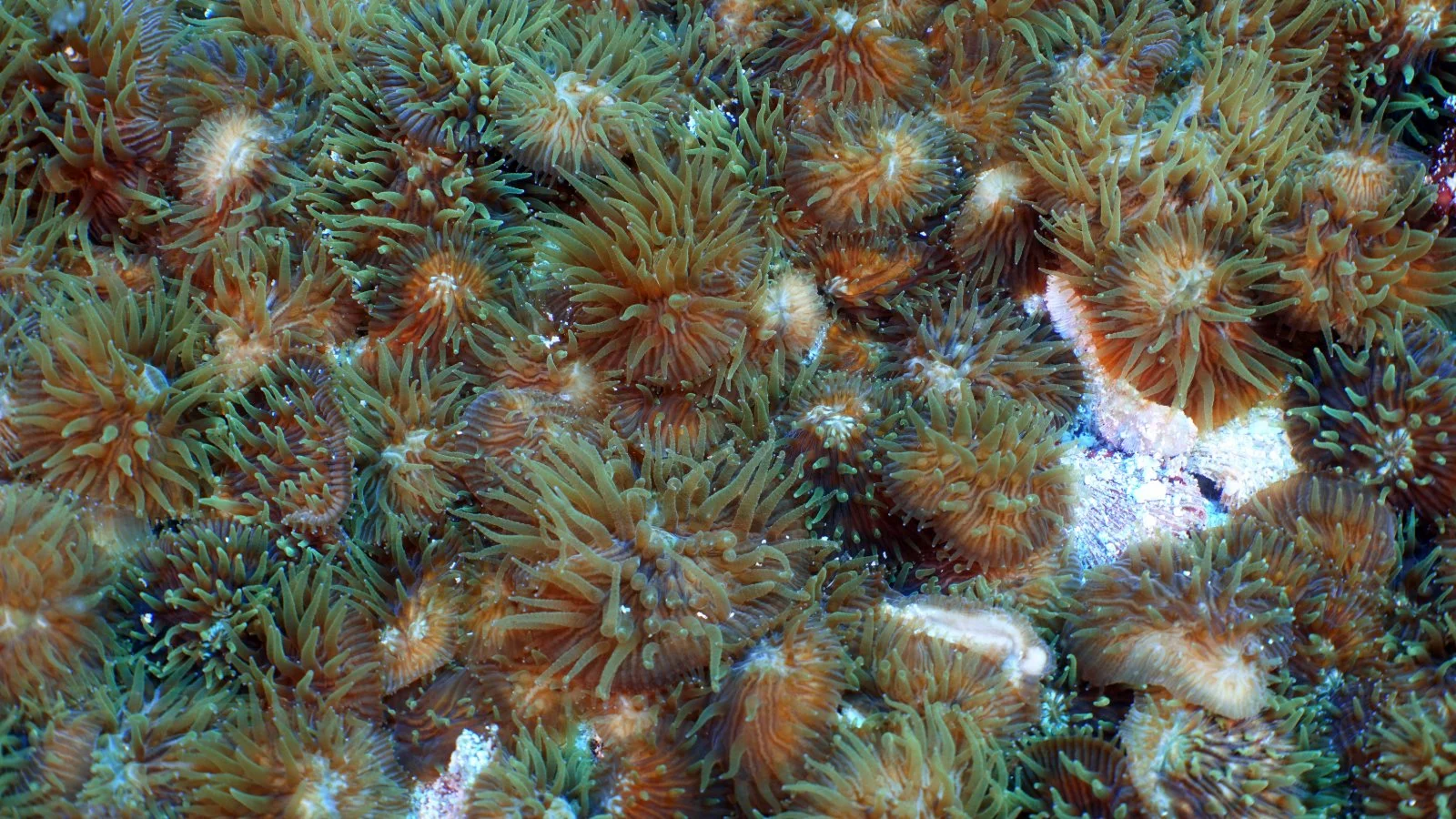
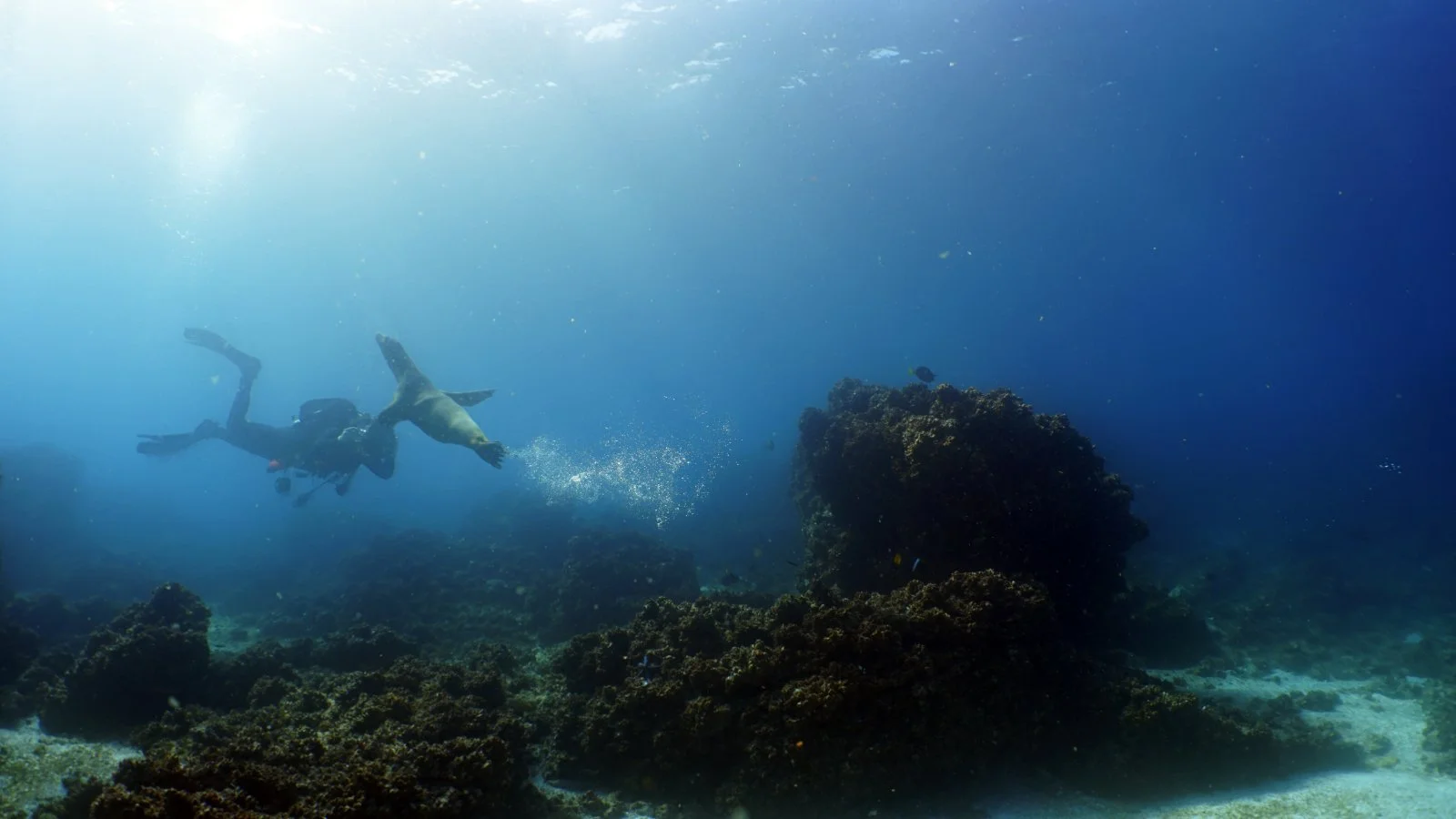
js-hero-timeline
-
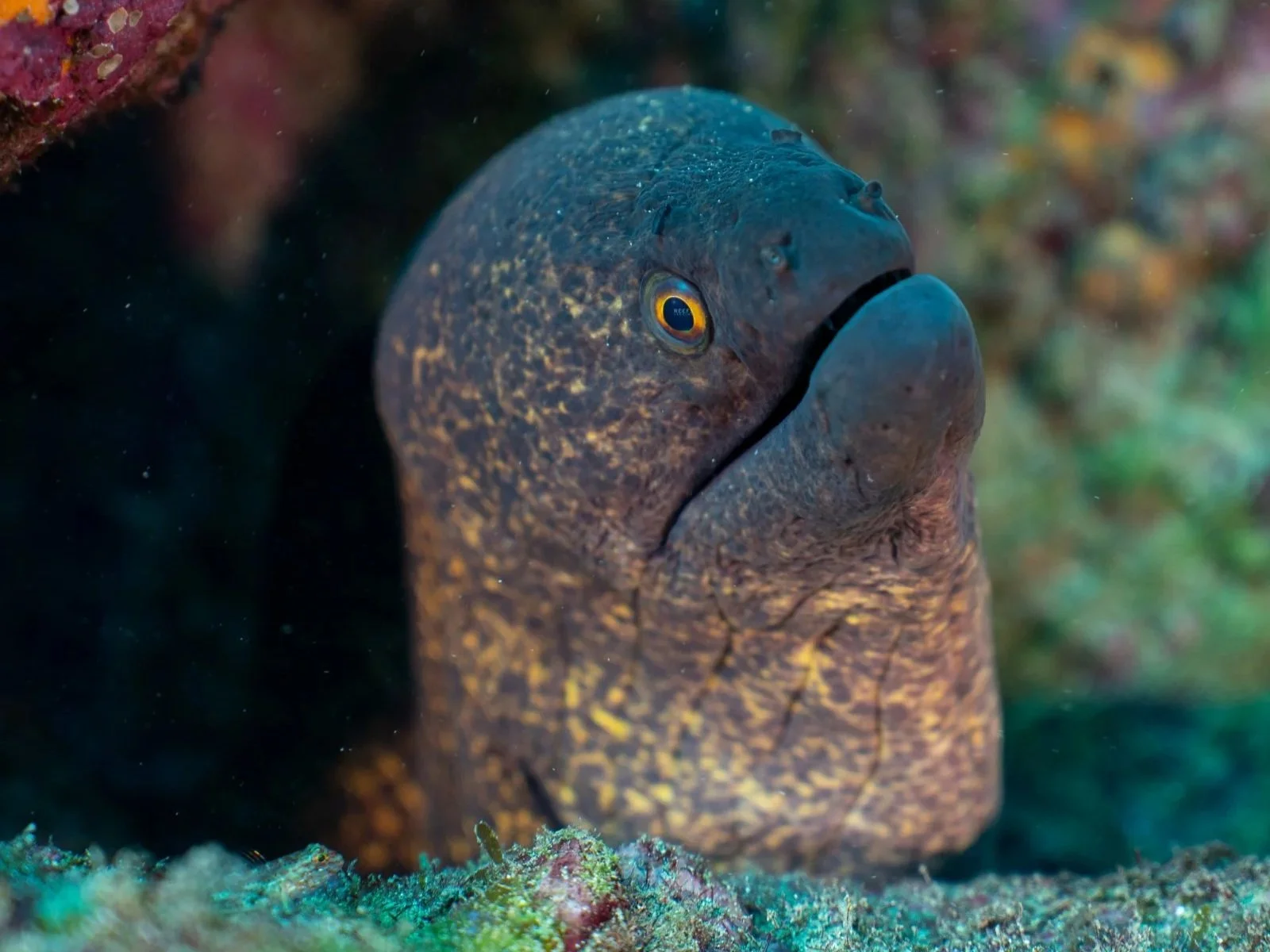
Exploration
Locating and studying undocumented reefs.
-
Education
Sharing findings with scientsts, managers and the public.
-
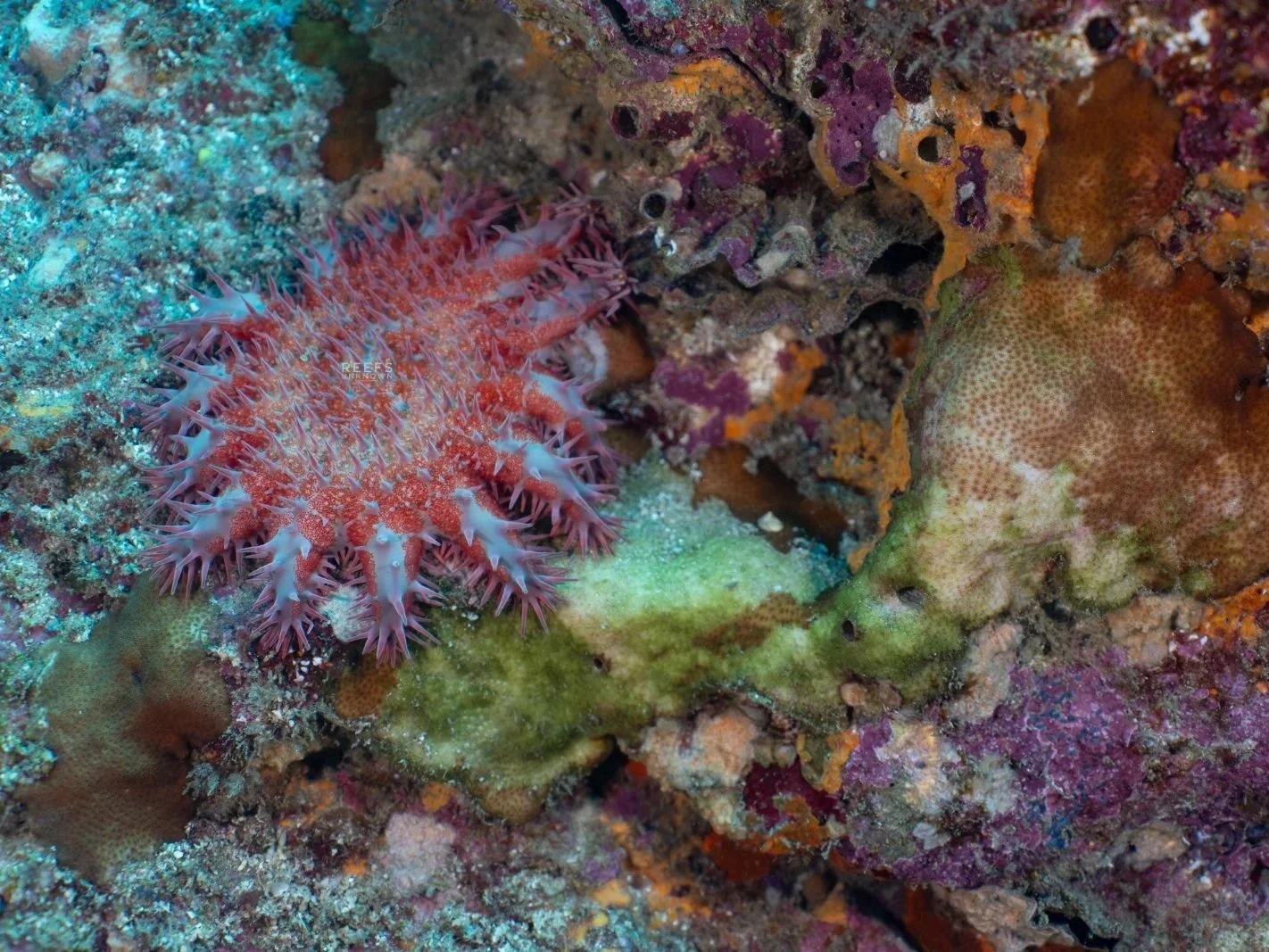
Conservation
Promoting further work on these ecosystems and including them in management plans.
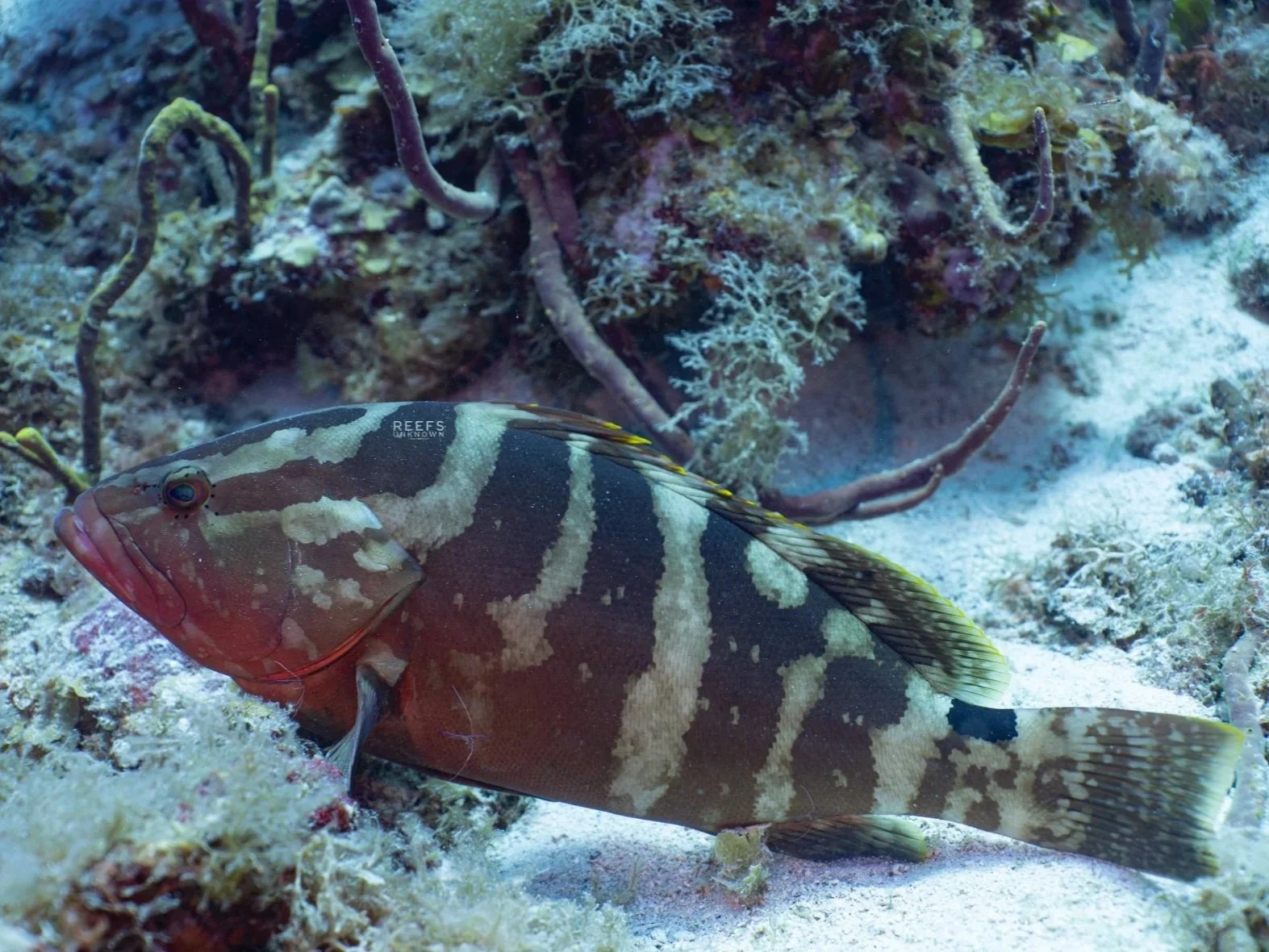
Our Team
Together we have over 20 years collective experience doing this work in the USVI and elsewhere. We have extensive knowledge and experience performing scientific research locally as well as planning and executing field missions to other locales including Pacific Panamá, Galápagos, Bermuda, and Bonaire.
We are designed to be a flexible, small platform that works with existing partners to expand their work to new depths and locations.
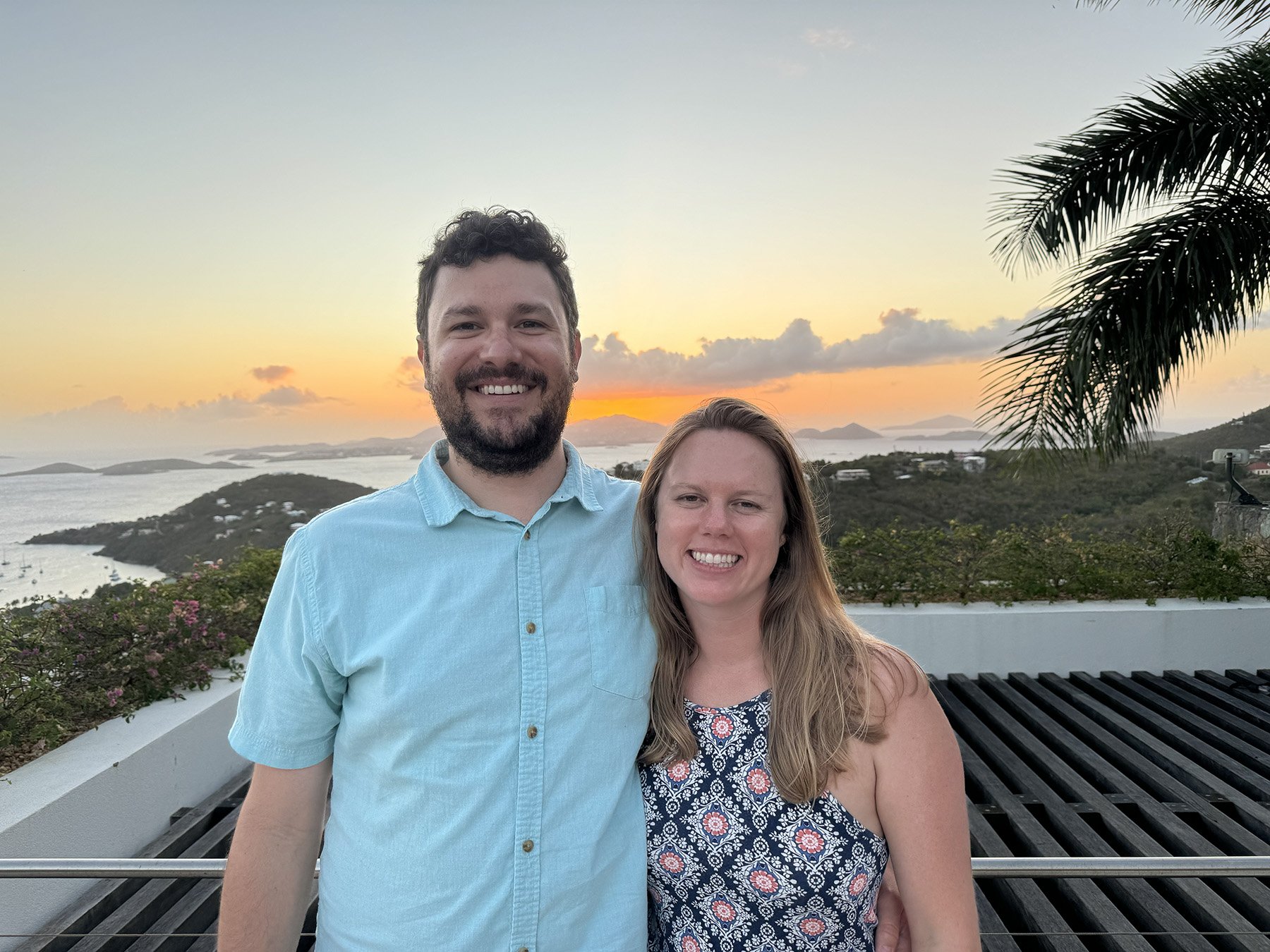
Viktor Brandtneris
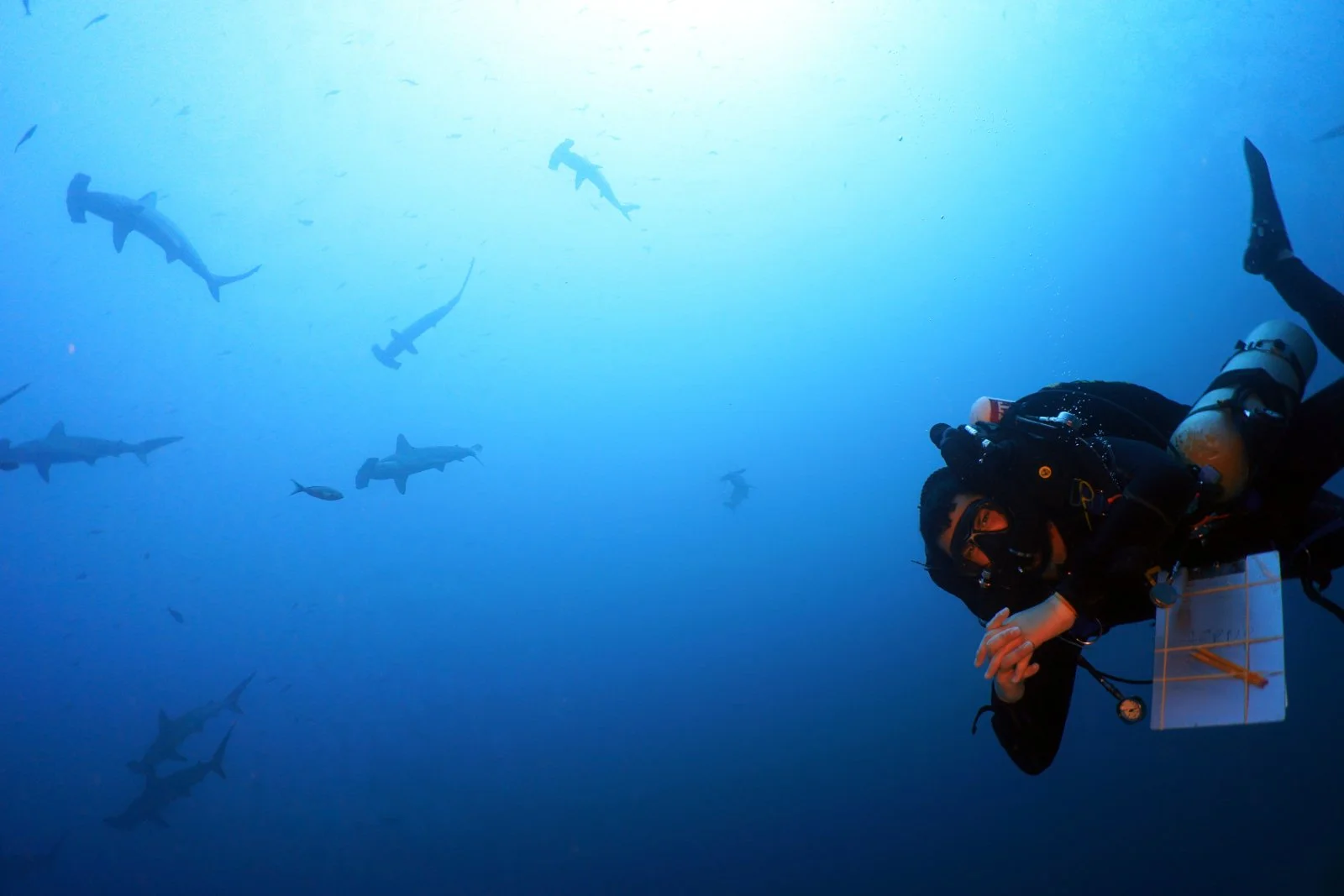
Viktor learned to dive at the age of 12 in a lake in St. Paul, Minnesota and from there kept moving south for warmer water. After studying marine biology at the University of Miami which included work in Panama, the Galapagos, and throughout the Caribbean, he moved to St Thomas to pursue his master’s degree in coral reef ecology. He’s been managing research teams, technical SCUBA diving, and data analysis on various projects for more than nineteen years and 3000 dives.
Sarah Heidmann
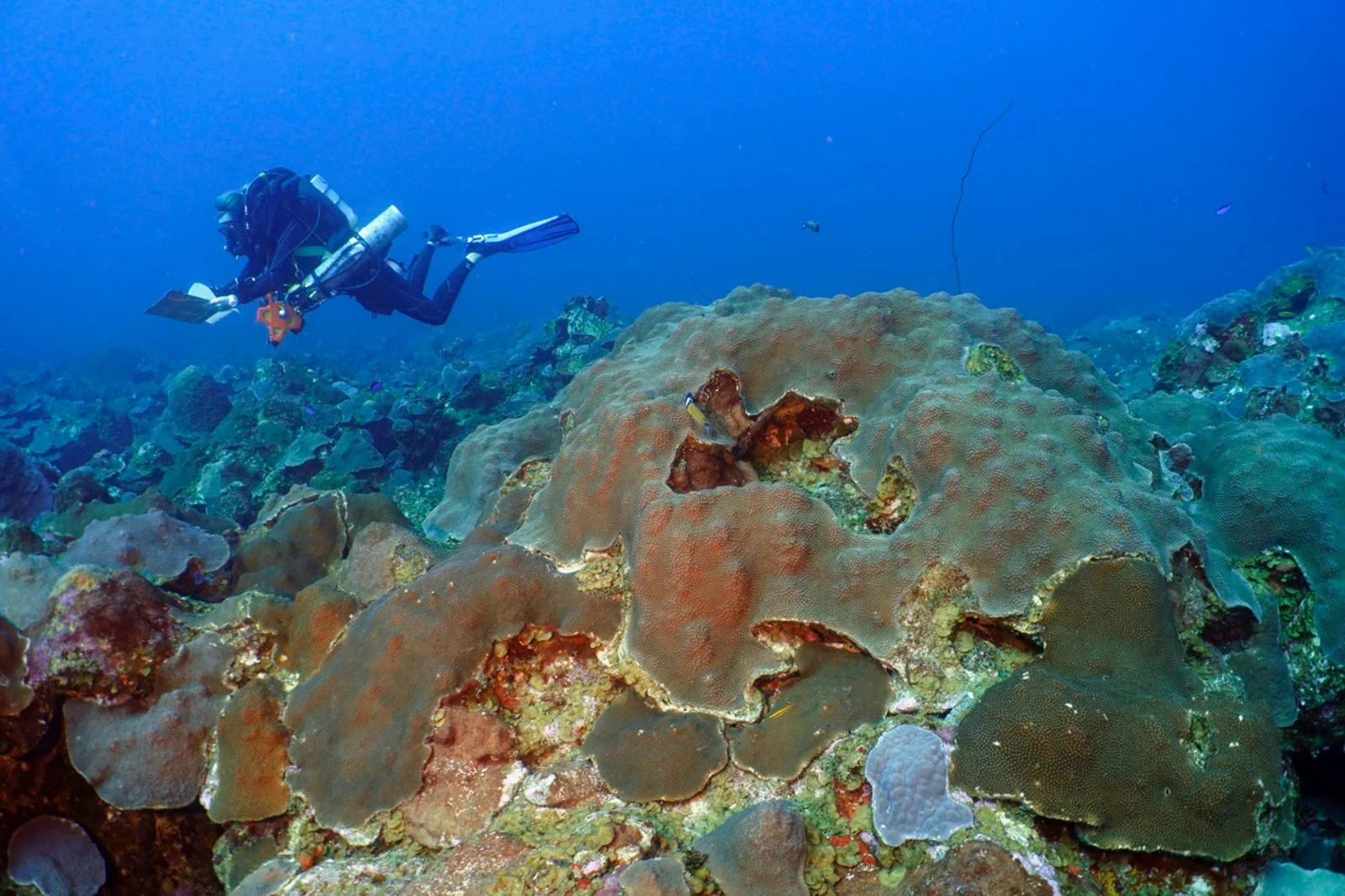
Sarah fell in love with the ocean as a child during many visits to the Monterey Bay Aquarium. After becoming SCUBA-certified in college, she built her career around pursuing opportunities to dive for research. Her adventures have taken her to Bonaire, Oregon, and now the U.S. Virgin Islands, where she completed her master’s degree in tropical fish ecology. Today, Sarah is a USCG-certified captain and technical rebreather diver, using those skills to advance her interests in mesophotic fish ecology and conservation.
Board of Directors

Science Advisory Board
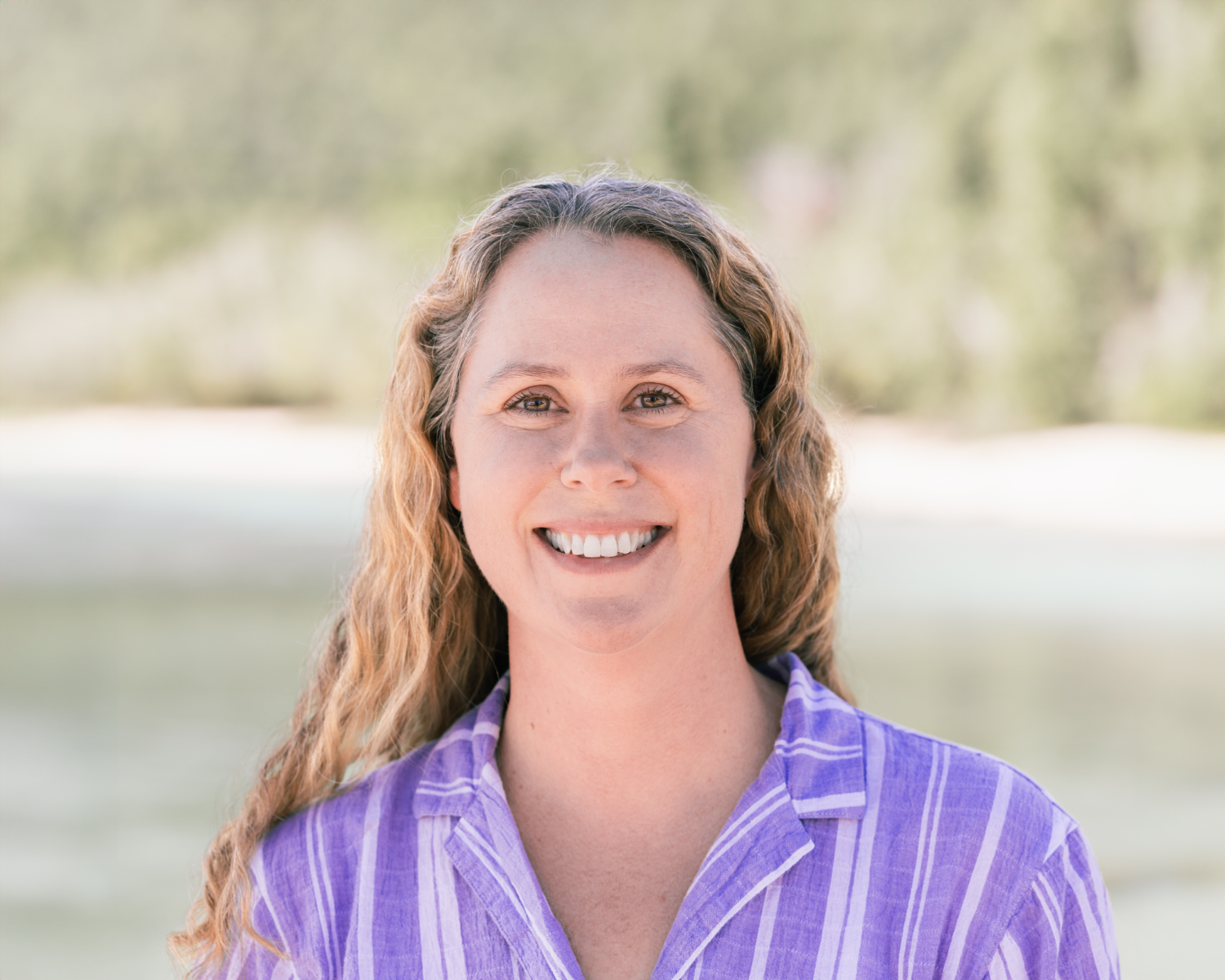
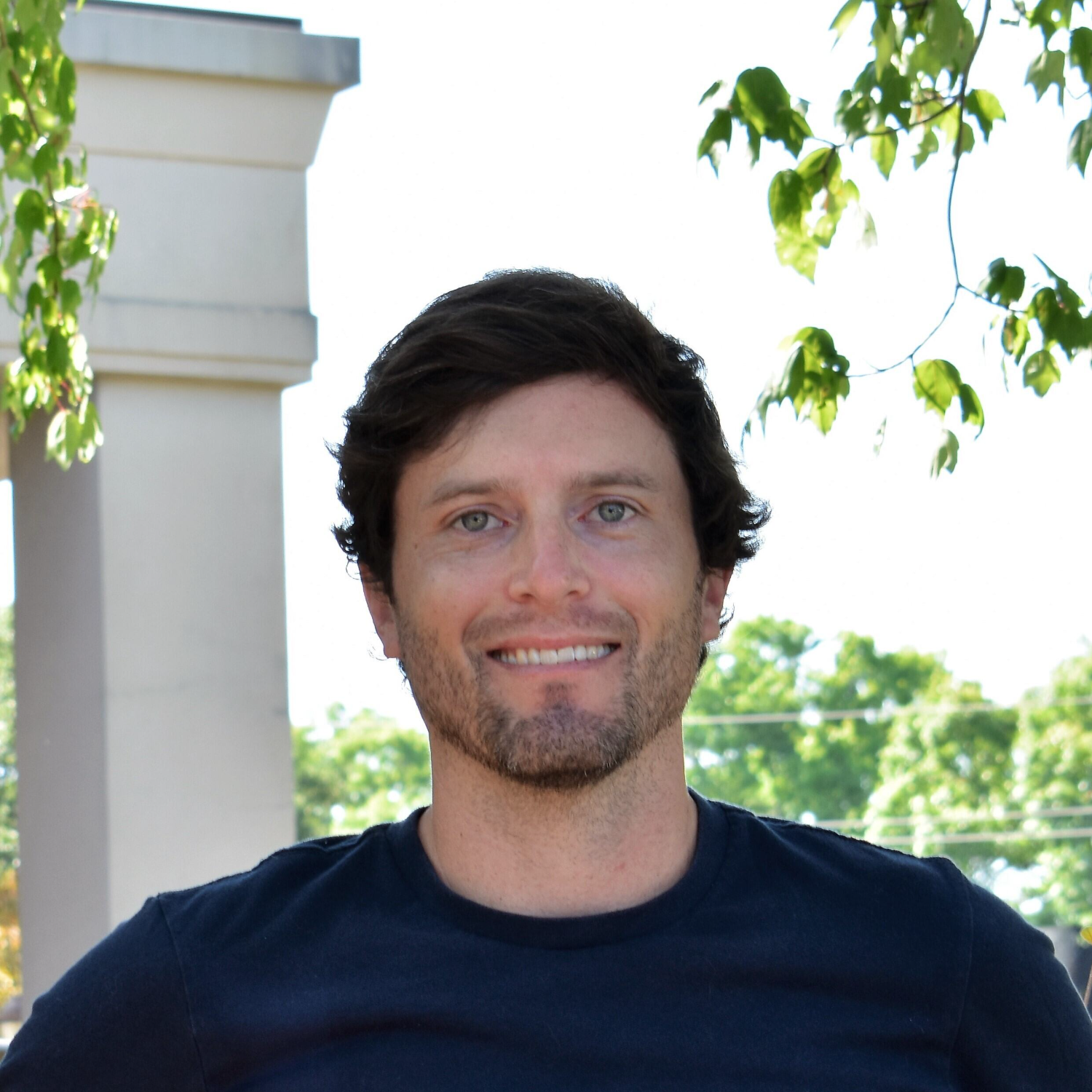
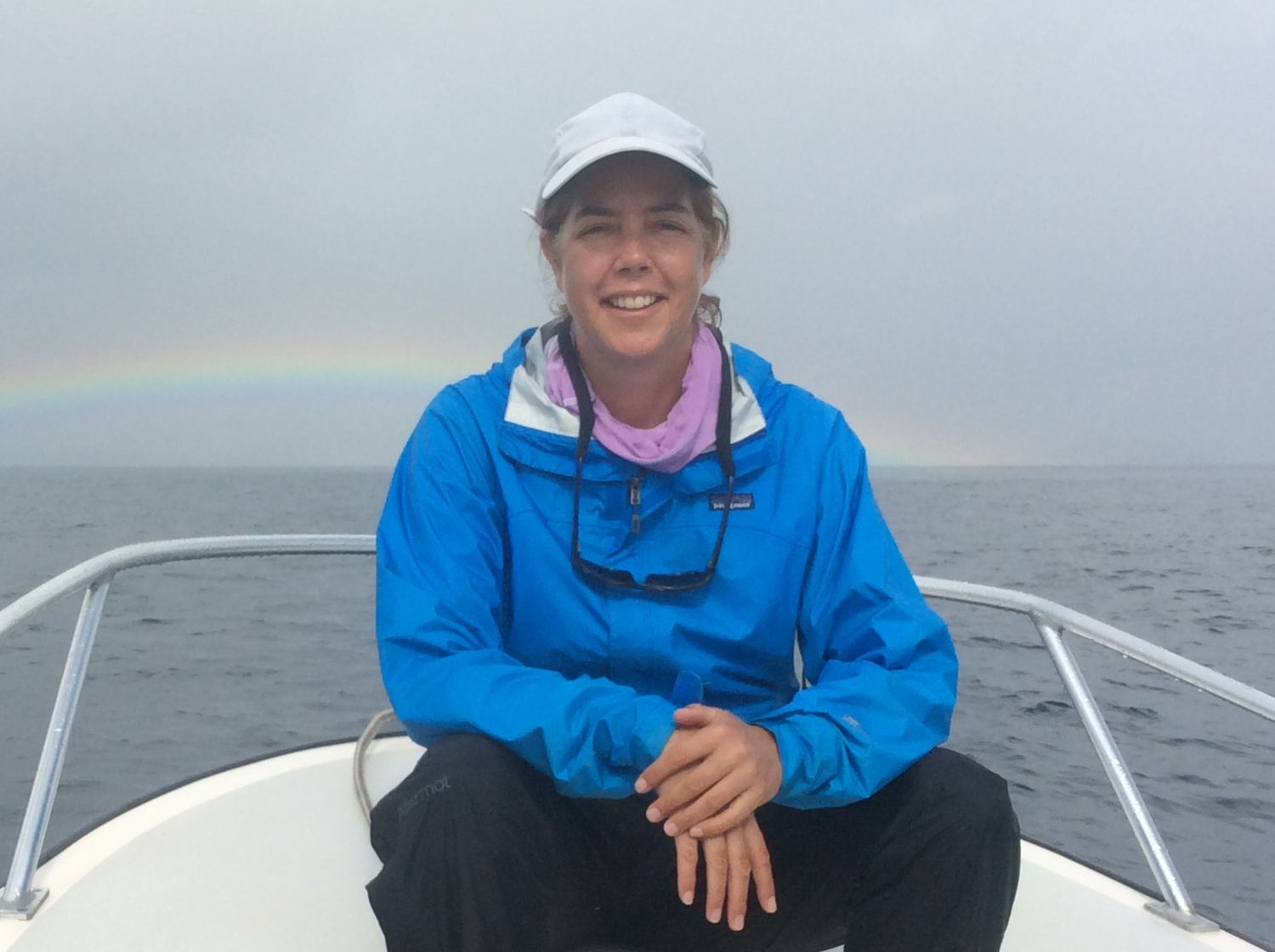
Kristin Rasmussen
Kristin Rasmussen is a marine biologist who specializes in marine mammals. She received her MSc at Moss Landing Marine Labs on Monterey Bay in 2005. For over twenty years she has been studying two different humpback whale populations that breed off Central America. She is passionate about marine conservation and believes strongly in the mission of Reefs Unknown.
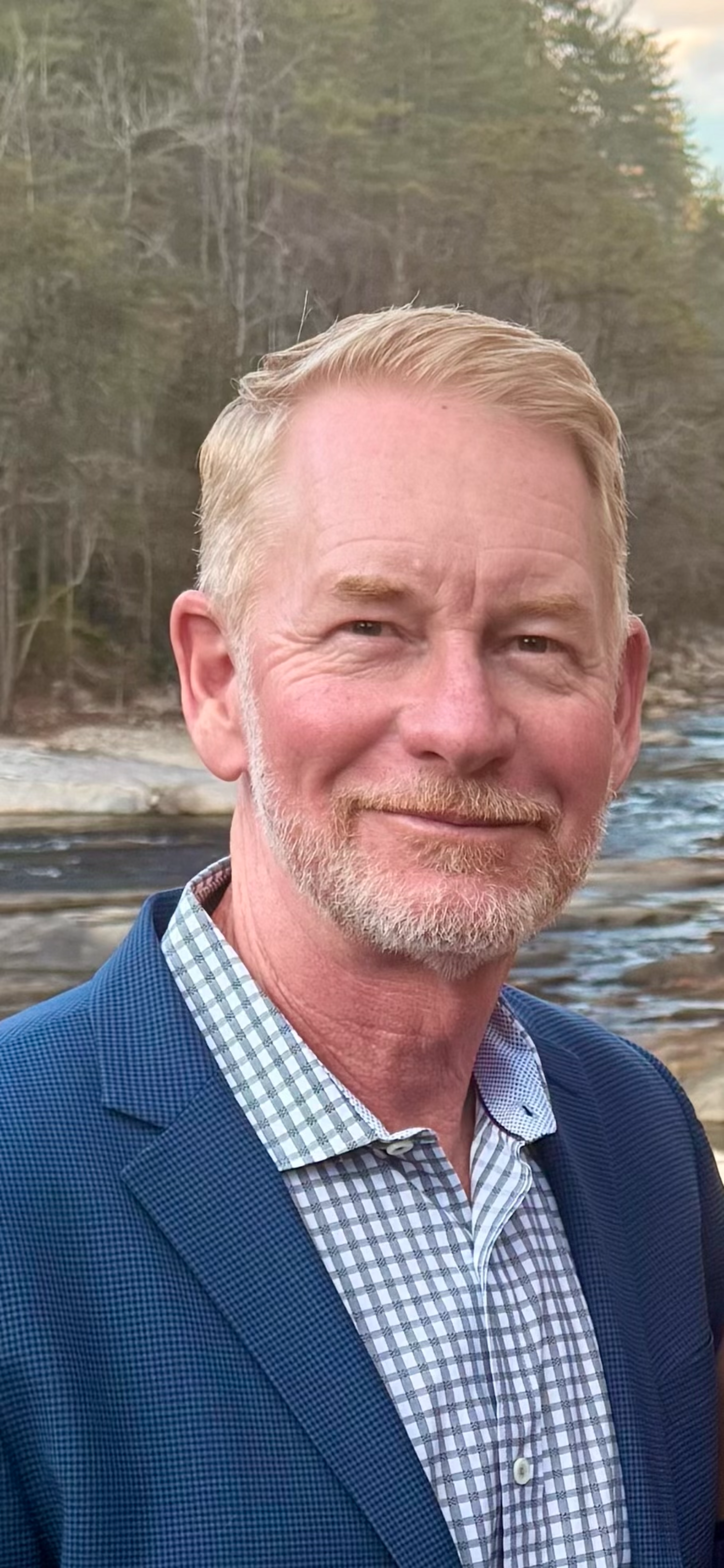
Andrew J. Hemmert
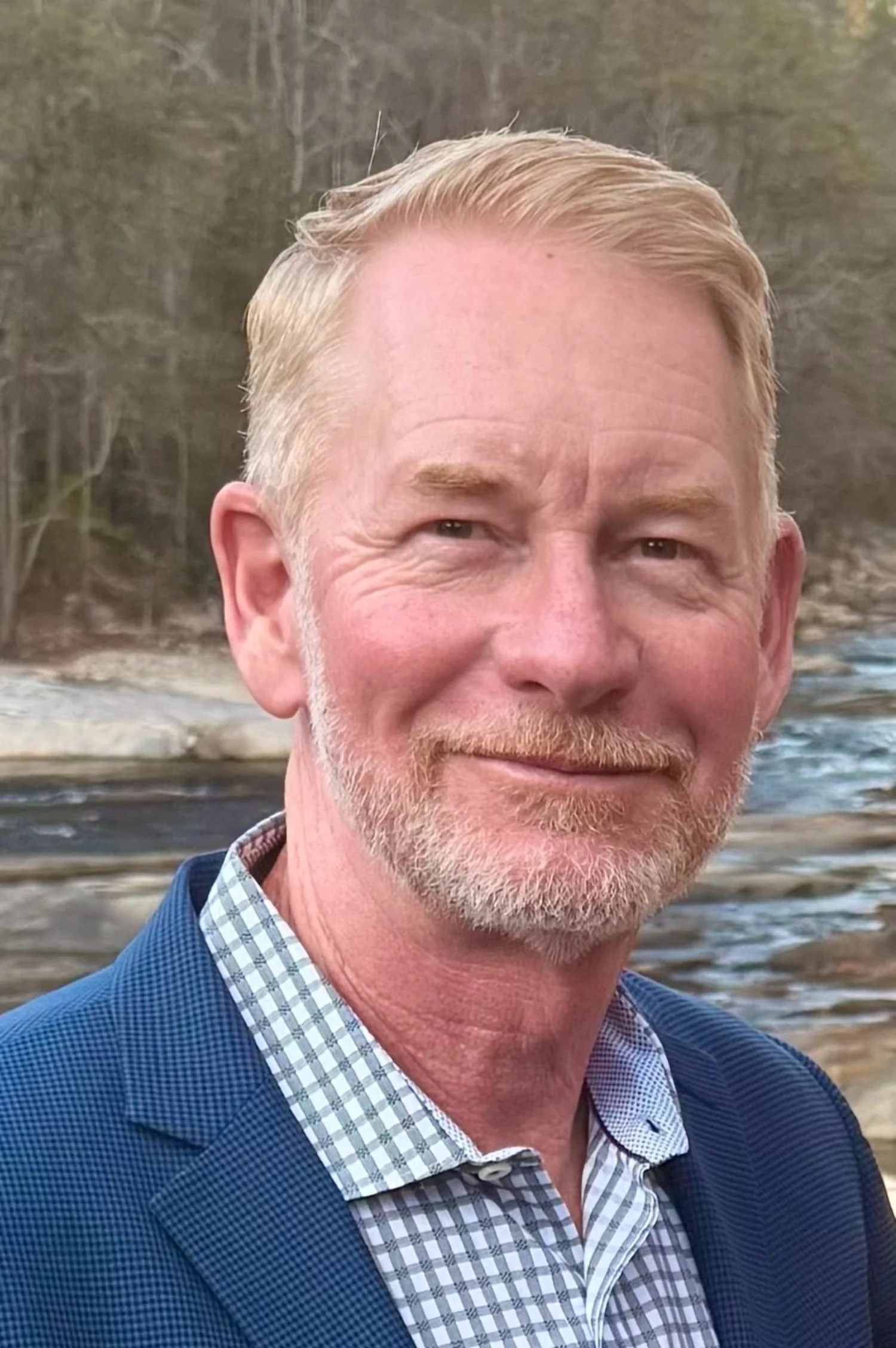
Andrew Hemmert is retired from commodity trading and logistics. Andrew has a BS in Management and Marketing from the University of South Florida as well as an MBA from Nova Southeastern University.He has worked for various energy companies over the past 33 years in Florida, New York, Texas, and Colorado. He engages in various philanthropic endeavors. Andrew is an avid sailor and enjoys the outdoors.
Sara Dent
Sara is a current Trustee of the Woods Hole Oceanographic Institution, the world’s leading independent non-profit organization dedicated to ocean research, exploration and education. Operation positions in Maintenance and Repair and Traffic and Chartering Departments of the Chevron Shipping Company led to the interest in becoming involved with the Oceanographic. Sara is currently on the Advisory Council for the World War II Memorial on the National Mall and the AFI/Silver Theater in Silver Spring, Maryland. She has also served on the board of the Rock Island Company as well as several foundations and schools.
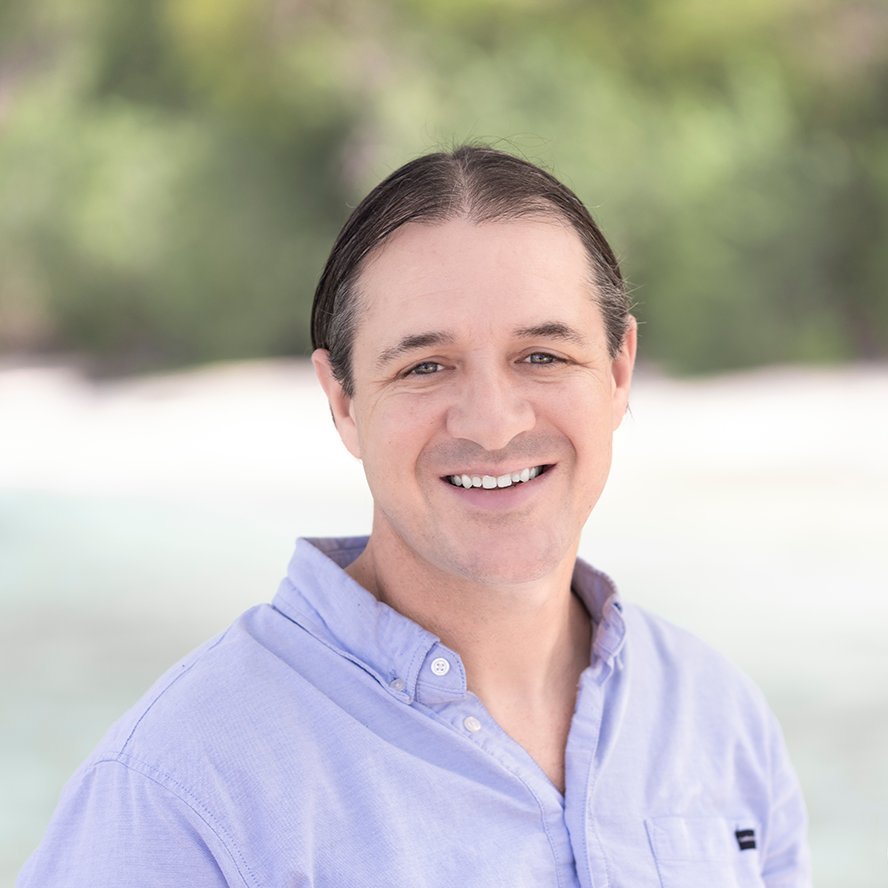
Dr. Tyler B. Smith
University of the Virgin Islands
Dr. Tyler B. Smith is a Research Professor and the Interim Director of the Center for Marine and Environmental Studies at the University of the Virgin Islands. His research interests include algal-herbivore interactions, the ecology and conservation value of deep mesophotic reefs, and trophic interactions at fish spawning aggregations. He has published extensively on fish community dynamics across shallow-to-mesophotic depth gradients in the northern US Virgin Islands and co-authored a comprehensive chapter on mesophotic coral ecosystems of the USVI.
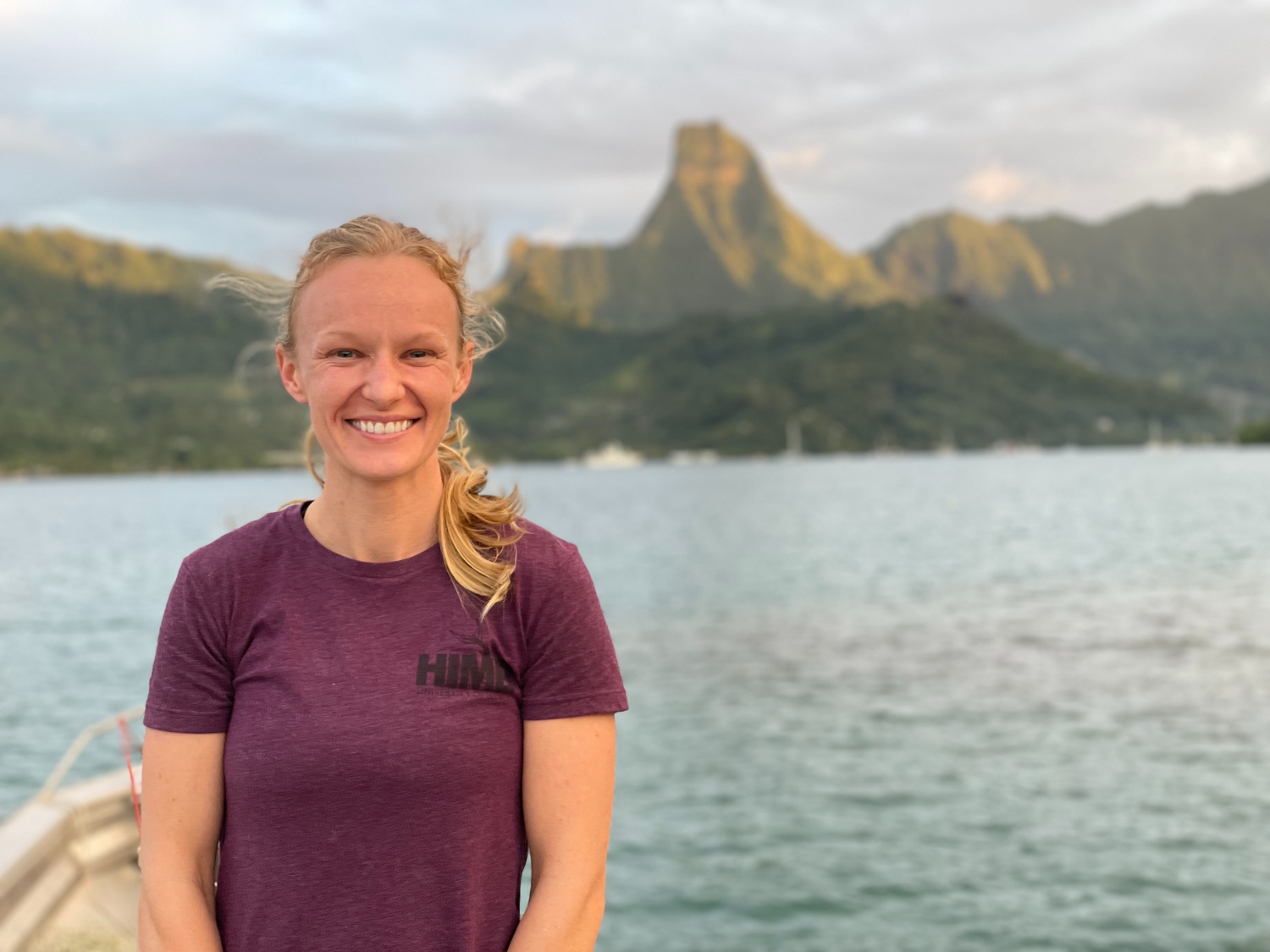
Dr. Ariana Huffmyer
University of Washington
Dr. Ariana Huffmyer is a Research Scientist at the University of Washington. She studies the effects of climate change on marine invertebrate physiology and early life history, with a particular interest in the formation of coral-algal symbiosis during coral development. Her work spans coral thermal tolerance, nutrition, and reef resilience across sites including Hawaii and Moorea.
Dr. Marilyn Brandt
University of the Virgin Islands
Dr. Marilyn Brandt is a Research Associate Professor at the Center for Marine and Environmental Studies at the University of the Virgin Islands. Her research combines field studies, laboratory experiments, and modeling to understand coral reef organism susceptibility and resistance to mortality-causing stressors, with particular expertise in coral disease ecology. She has co-authored research on the structuring forces of shelf-edge upper mesophotic coral ecosystems in the US Virgin Islands.
Dr. Daniel Holstein
Stony Brook University
Dr. Daniel Holstein is an Associate Professor at the School of Marine and Atmospheric Sciences at Stony Brook University. His lab studies seascape ecology, including invertebrate reproduction, larval dispersal, metapopulation modeling, and the spatial ecology of environmental change. He has a special interest in modeling vertical coral connectivity and refuge environments like deeper mesophotic reefs.
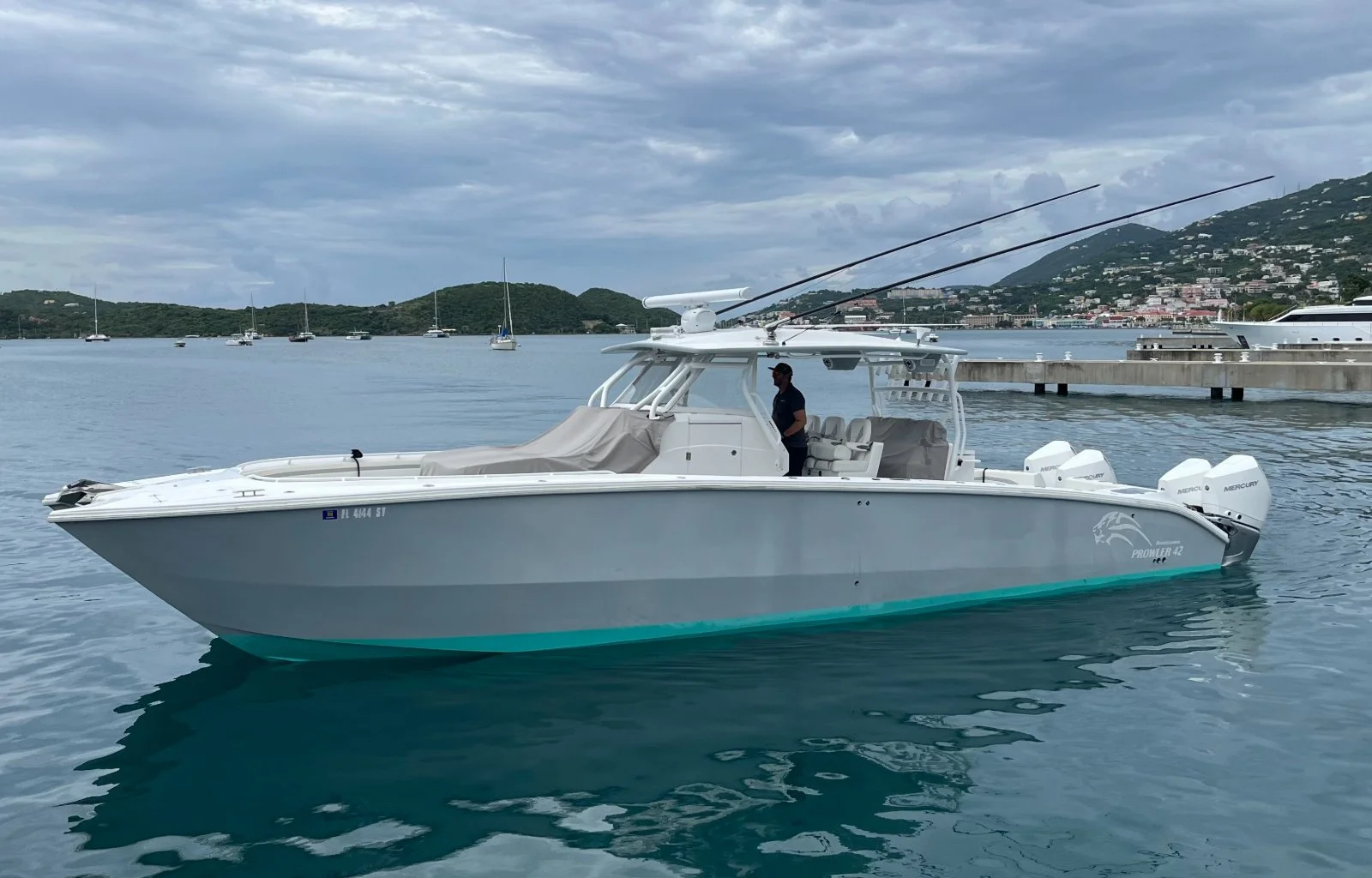
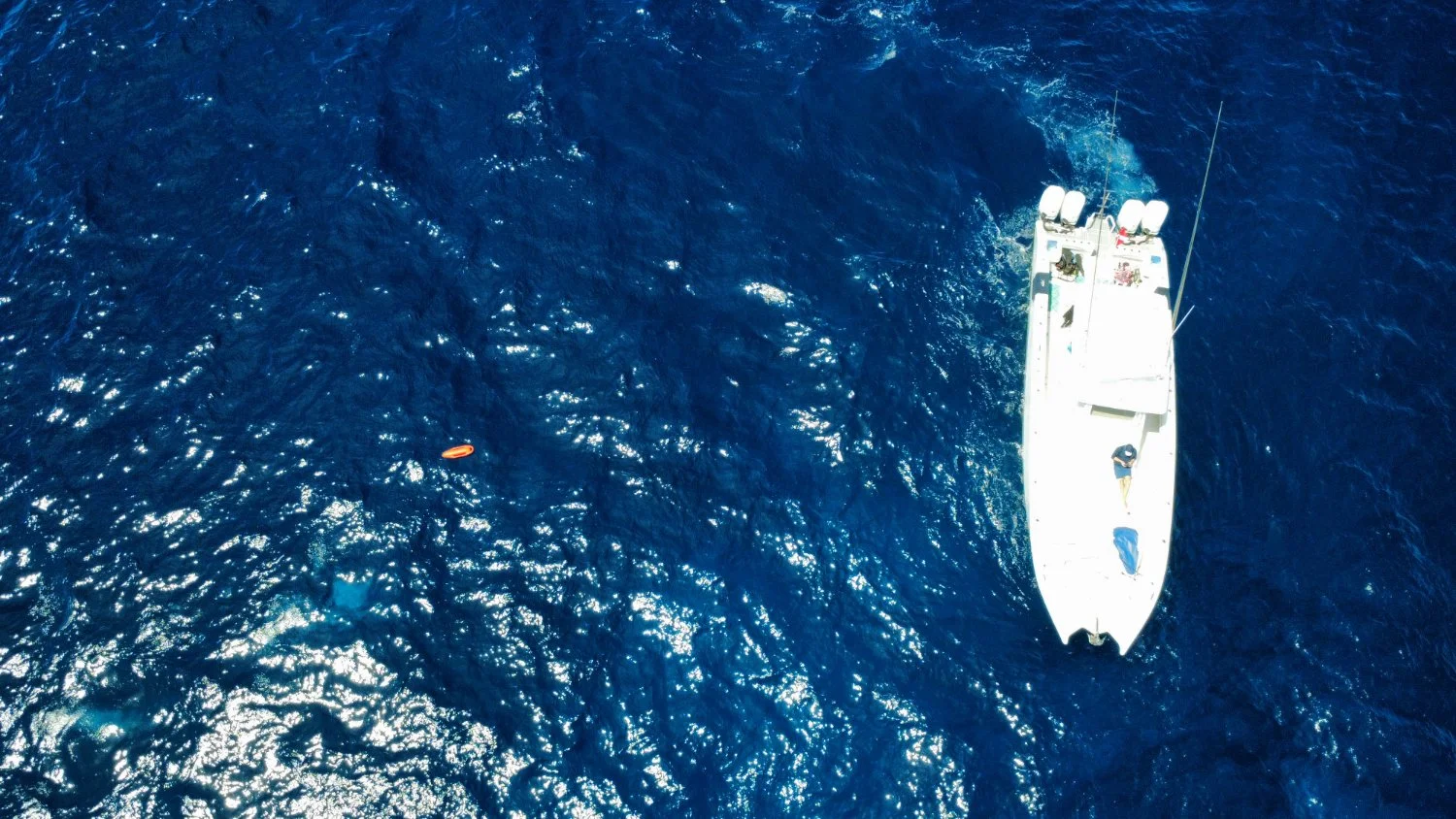
R/V Makaira ## | R/V Makaira is a 42’ Renaissance Prowler power cat with four 300HP outboard engines. She was named after the blue marlin, Makaira nigricans, for her speed, agility, and power. Makaira was acquired specifically for offshore dive operations. She is a stable platform through wind and waves, large enough to comfortably hold a team of 4-6 technical divers, and travels at speeds of 40-50 mph. The large, open forward and aft deck areas could also hold up to 12 people, ROVs, or other equipment. From her base in the USVI, she can complete working day trips to the USVI (including St. Croix), the BVI, and eastern Puerto Rico. Further locations could be feasible with overnight stays and additional logistics considerations. Reefs Unknown has a contract with Makaira Charters that allows priority use of RV Makaira at a daily rate for our projects. She is otherwise available for public charter, which covers the costs of ownership, and any profits are passed back to Reefs Unknown.
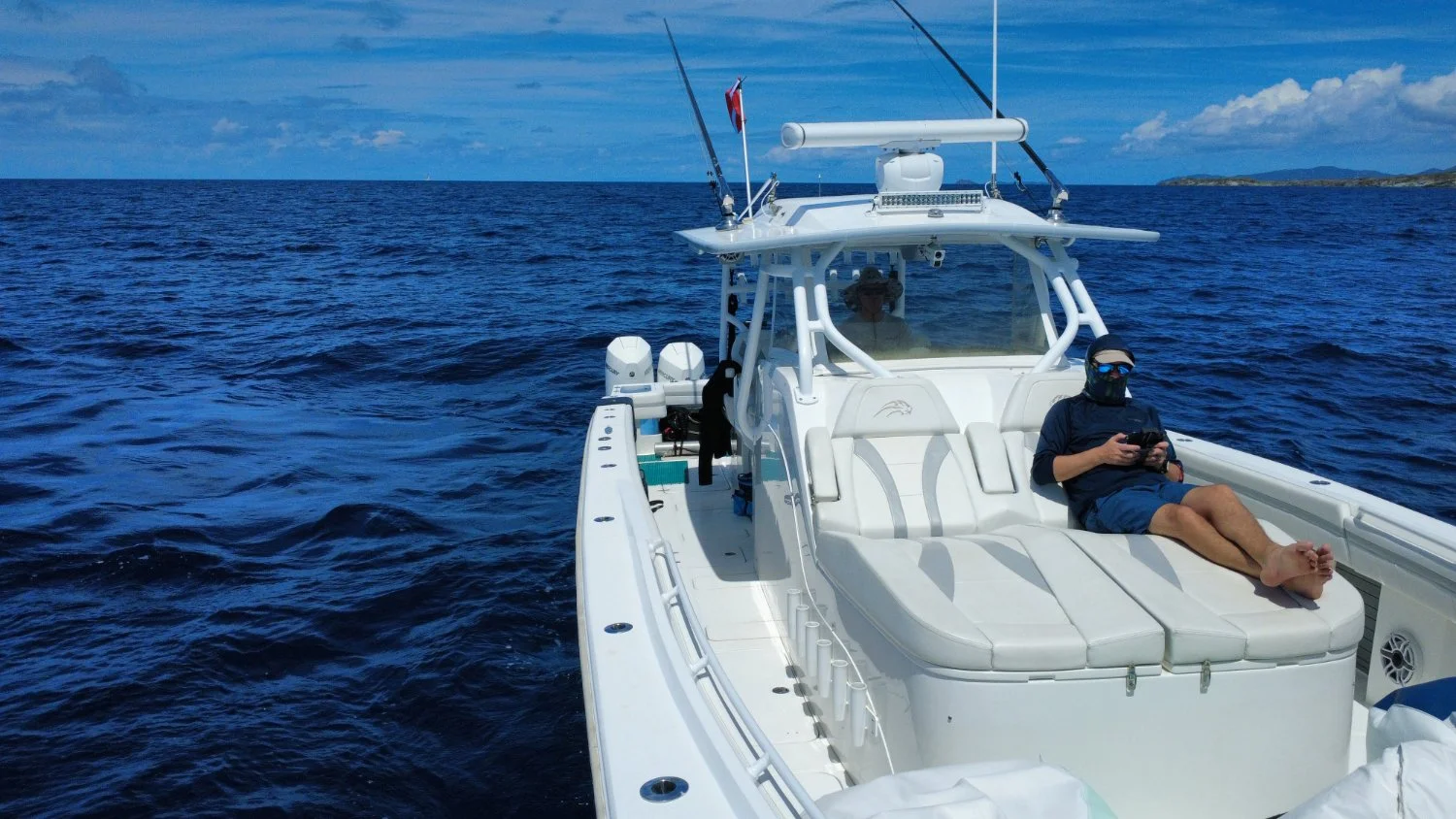
The RV Makaira ## | RV Makaira is a 42’ Renaissance Prowler power cat with four 300HP outboard engines. She was named after the blue marlin, Makaira nigricans, for her speed, agility, and power. Makaira was acquired specifically for offshore dive operations. She is a stable platform through wind and waves, large enough to comfortably hold a team of 4-6 technical divers, and travels at speeds of 40-50 mph. The large, open forward and aft deck areas could also hold up to 12 people, ROVs, or other equipment. From her base in the USVI, she can complete working day trips to the USVI (including St. Croix), the BVI, and eastern Puerto Rico. Further locations could be feasible with overnight stays and additional logistics considerations. Reefs Unknown has a contract with Makaira Charters that allows priority use of RV Makaira at a daily rate for our projects. She is otherwise available for public charter, which covers the costs of ownership, and any profits are passed back to Reefs Unknown.
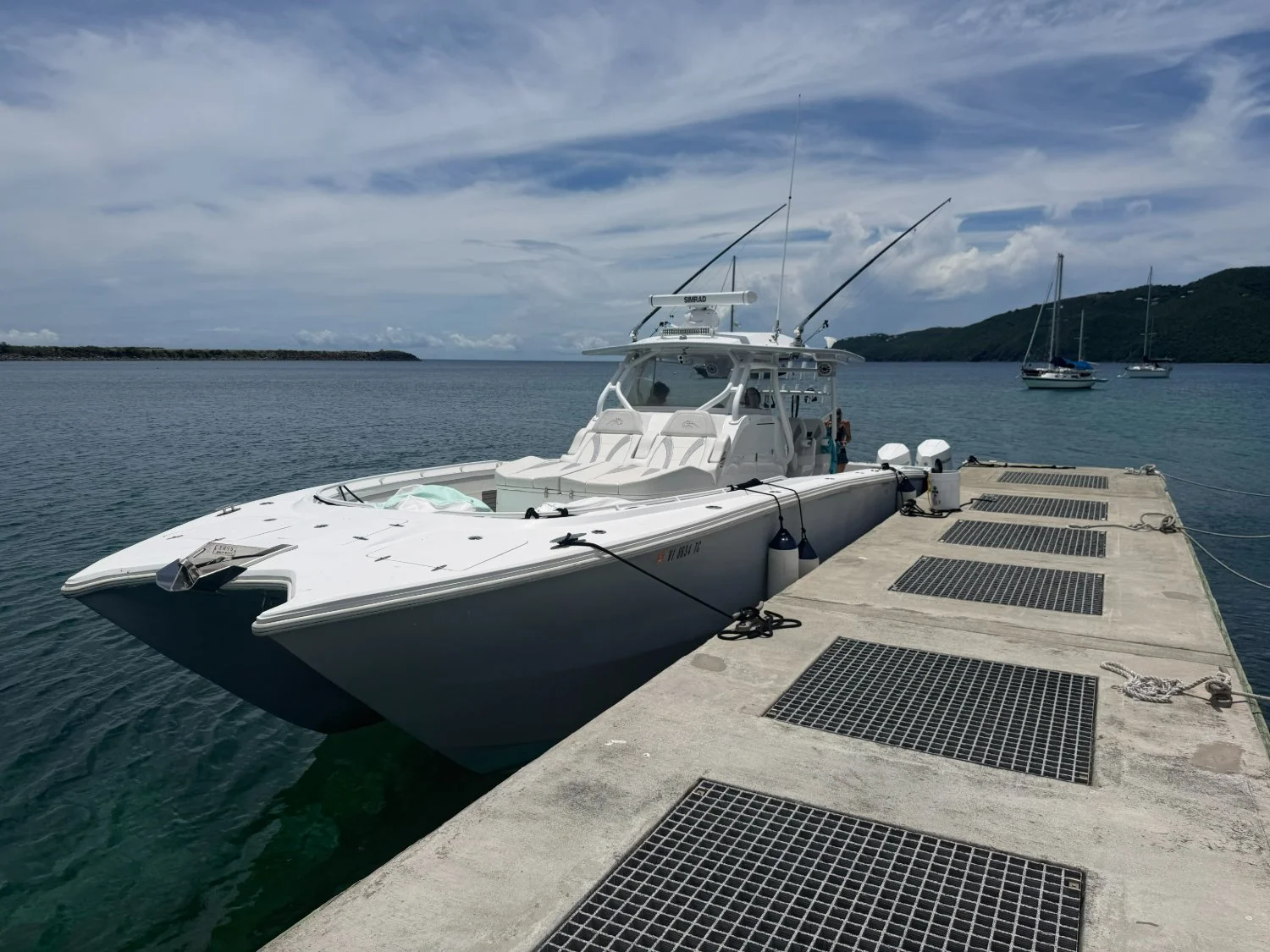
The RV Makaira ## | RV Makaira is a 42’ Renaissance Prowler power cat with four 300HP outboard engines. She was named after the blue marlin, Makaira nigricans, for her speed, agility, and power. Makaira was acquired specifically for offshore dive operations. She is a stable platform through wind and waves, large enough to comfortably hold a team of 4-6 technical divers, and travels at speeds of 40-50 mph. The large, open forward and aft deck areas could also hold up to 12 people, ROVs, or other equipment. From her base in the USVI, she can complete working day trips to the USVI (including St. Croix), the BVI, and eastern Puerto Rico. Further locations could be feasible with overnight stays and additional logistics considerations. Reefs Unknown has a contract with Makaira Charters that allows priority use of RV Makaira at a daily rate for our projects. She is otherwise available for public charter, which covers the costs of ownership, and any profits are passed back to Reefs Unknown.
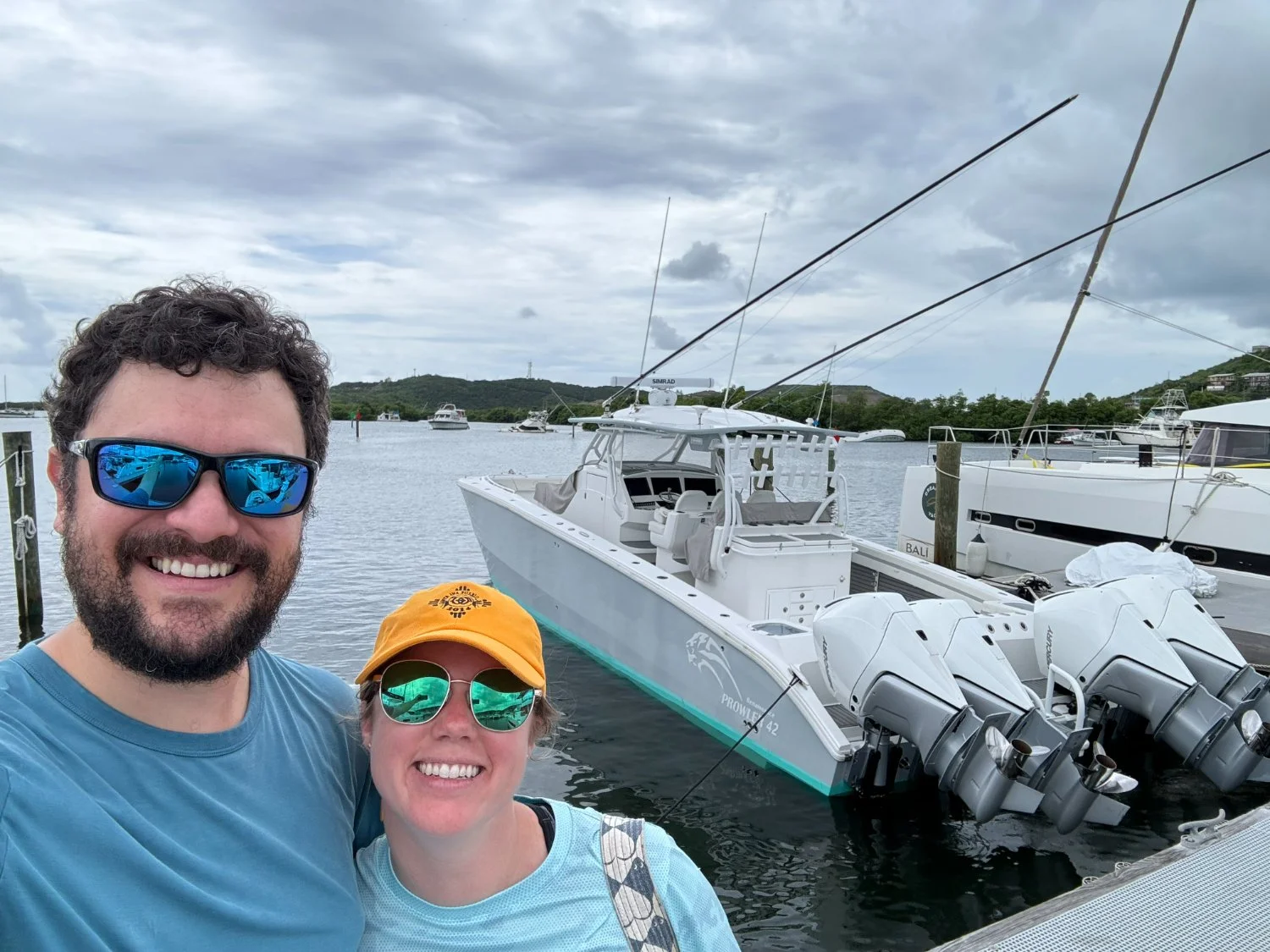
The RV Makaira ## | RV Makaira is a 42’ Renaissance Prowler power cat with four 300HP outboard engines. She was named after the blue marlin, Makaira nigricans, for her speed, agility, and power. Makaira was acquired specifically for offshore dive operations. She is a stable platform through wind and waves, large enough to comfortably hold a team of 4-6 technical divers, and travels at speeds of 40-50 mph. The large, open forward and aft deck areas could also hold up to 12 people, ROVs, or other equipment. From her base in the USVI, she can complete working day trips to the USVI (including St. Croix), the BVI, and eastern Puerto Rico. Further locations could be feasible with overnight stays and additional logistics considerations. Reefs Unknown has a contract with Makaira Charters that allows priority use of RV Makaira at a daily rate for our projects. She is otherwise available for public charter, which covers the costs of ownership, and any profits are passed back to Reefs Unknown.
Frequently Asked Questions
-
Reefs Unknown is a 501(c)3 tax-exempt nonprofit organization founded in 2021, dedicated to exploring, researching, and conserving coral reefs throughout the Caribbean and the world. We focus primarily on the unique deep coral reef ecosystems called mesophotic reefs.
-
A mesophotic reef is a coral reef that exists beyond the limits of recreational scuba diving. These deep corals still rely on light for photosynthesis like shallow corals, but have different traits and adaptations because of the low light and temperature. The boundary depths where these reefs start and end are fuzzy, and often vary depending on the location, but are usually in the range of about 100 feet to 500 feet deep. They are well-studied in the Virgin Islands, the Cayman Islands, the Red Sea, the Chagos Archipelago in the Indian Ocean, Hawaii, and other locations. Mesophotic reefs can be found in many places you can find shallow coral reefs, but in many areas we don't know where they exist simply because we haven't looked.
-
In some locations, mesophotic reefs can look somewhat similar to shallow reefs, with some generalist species of fish and coral living in both locations. These species, however, usually have adaptations that allow them to live in the different conditions of the deep. In other locations, shallow and deep reefs can look completely different, with depth-specialist species of fish and coral that are not found shallow.
-
Fisheries, food, and conservation are all areas where mesophotic reefs can play a role. These ecosystems are usually farther from human impacts than shallow reefs, meaning they have fewer stressors. Because they are more removed from humans, they can be healthier ecosystems that support fish. Sustainable fish populations are key to healthy ocenas, as well as sustainable food for humans.
-
How can you manage a resource if you don't know where it is? We know that many fish consumed around the Caribbean are caught from mesophotic reefs, but we don't know how many more are out there (we suspect there are a lot), or the health condition of the reefs that support them.
-
Our team consists of Viktor and Sarah, our co-founders, have extensive experience researching mesophotic reefs in the US Virgin Islands, specializing in coral and fish, respectively. They started Reefs Unknown to bring their knowledge to other locations where mesophotic reefs are not well-studied.
Our board of directors has a diversity of background knowledge in non-profit management and marine science work.
Our science advisory board comprises accomplished coral reef scientists who help guide our scientific efforts.
-
We are planning a mission in partnership with NOAA and the University of the Virgin Islands to complete deep fish surveys in the Florida Keys. This is an expansion of an ongoing project in the US Virgin Islands called the Deep Coral Reef Monitoring Program, or DCRMP. To learn more, read our blog post about the proposed project.
-
We are currently a small organization, but we have big dreams. We are in the midst of planning our first missions. The best way you can help us right now would be to support us in the form of a donation. Please click here to donate. If you have advice, connections, or other ideas you'd like to share please reach out.
-
All donations made are tax-deductible and will directly fund our missions and infrastructure costs. Your contribution will help advance human knowledge of mesophotic reefs, inform conservation best-practices, and bring these amazing ecosystems closer to ocean enthusiasts everywhere.
-